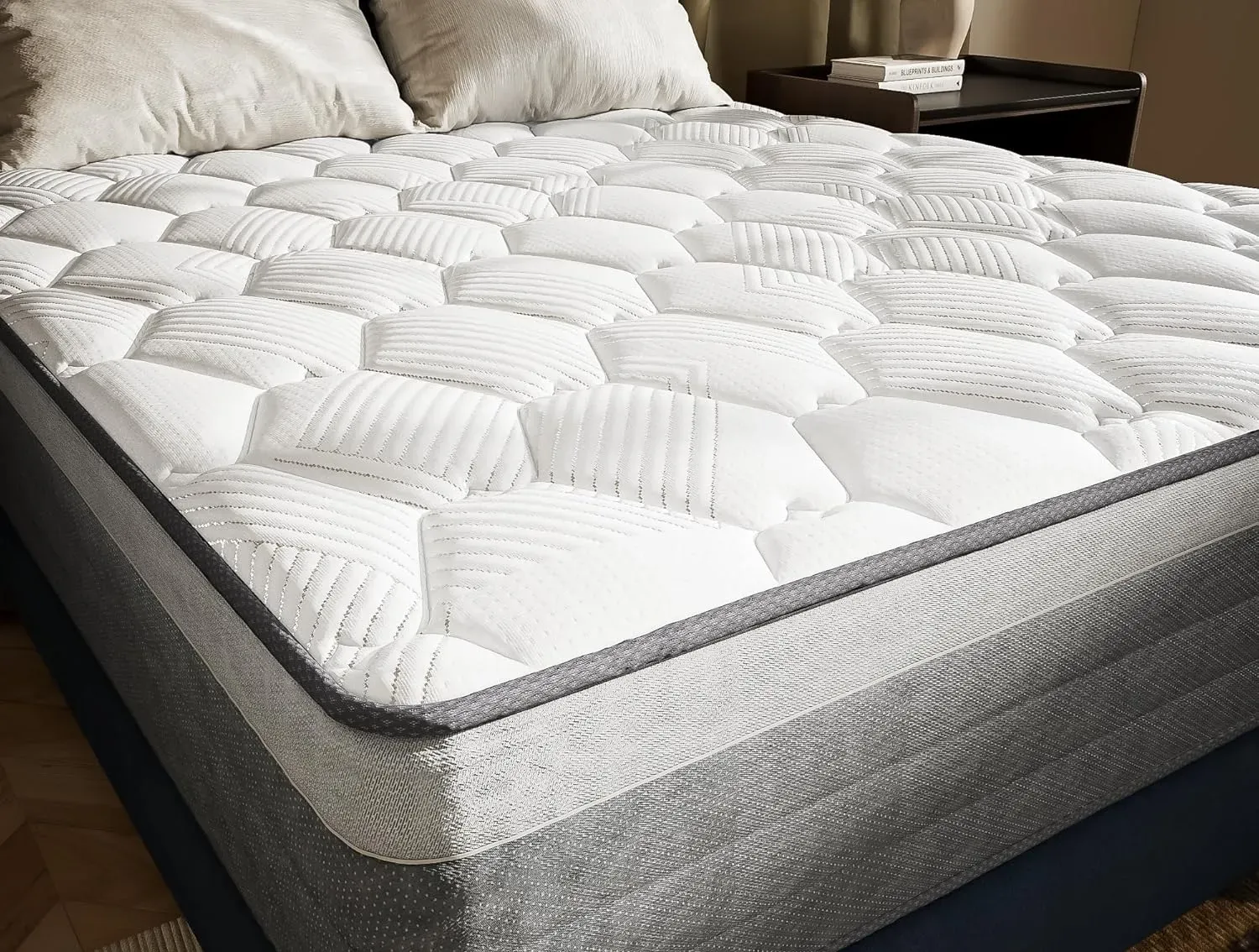
A high-quality mattress is a significant financial investment, often intended to last a decade or more. However, factors like moisture, allergens, and general wear and tear can significantly shorten its lifespan and compromise your sleep hygiene. This is where a mattress protector becomes an essential piece of bedding.
A mattress protector is a functional layer designed to keep your mattress in pristine condition. However, with so many options available, choosing the right one can be overwhelming. Understanding the different types of mattress protectors, based on fit, material, and function, is the key to making an informed decision.
The way a protector attaches to your bed determines how much of the mattress is shielded and how easy it is to maintain.
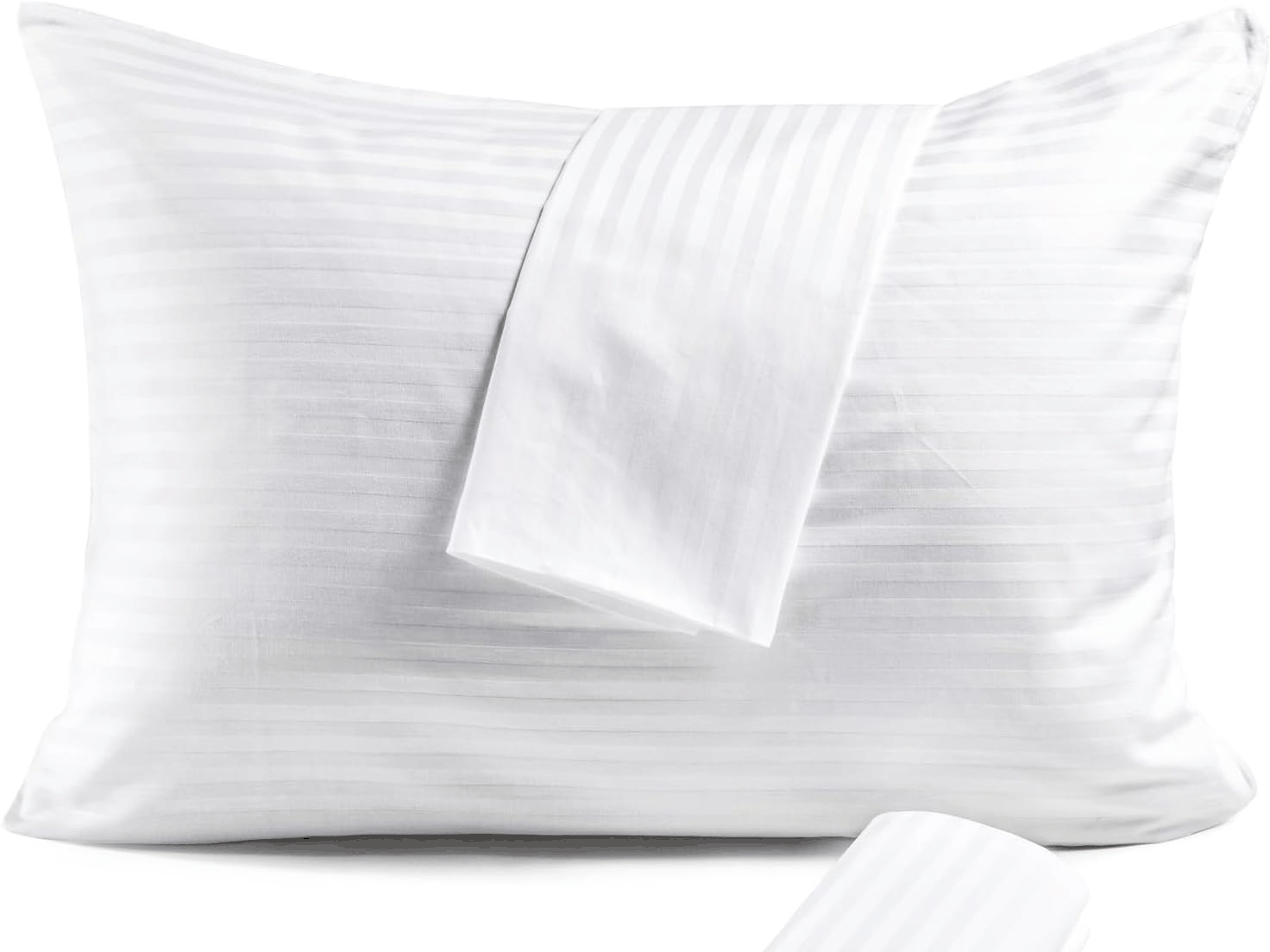
Fitted Sheet Style: This is the most common type. It fits over the mattress just like a fitted sheet, with elasticized corners or a pocket that tucks under the mattress. It is easy to remove and wash, making it a favorite for families.
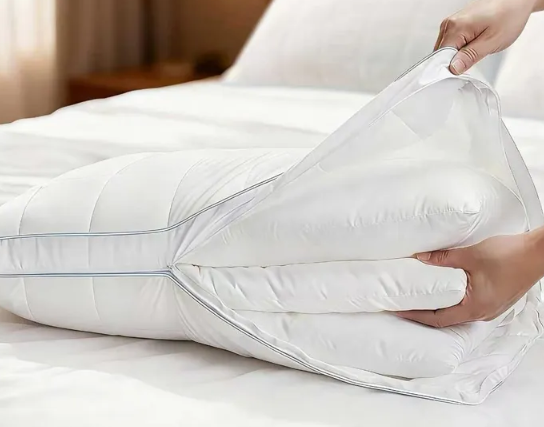
Encasement (Zippered): For those seeking maximum security, an encasement is the gold standard. It covers all six sides of the mattress and seals with a zipper. Encasements are the only effective way to protect against bed bugs, as they leave no entry or exit points.
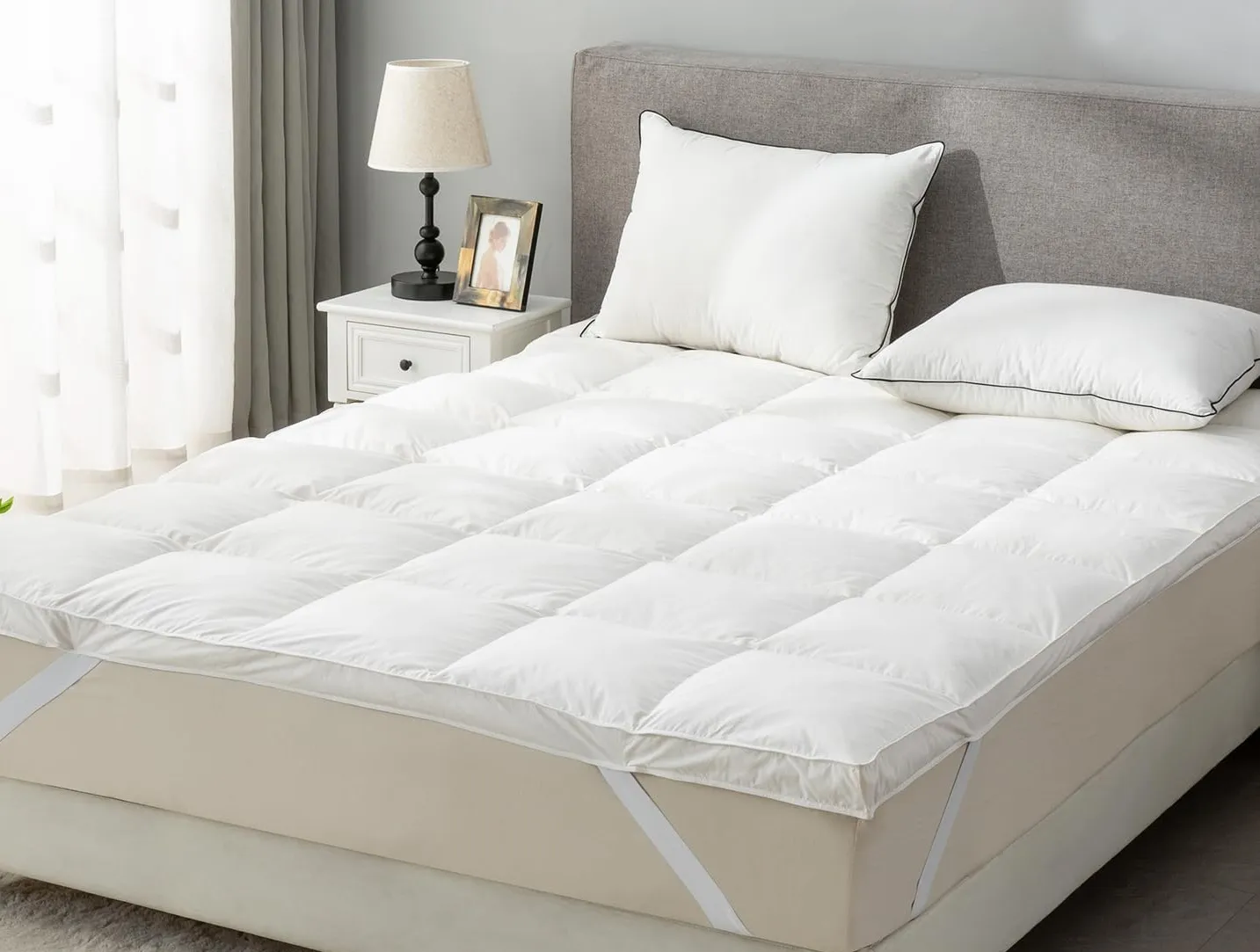
Anchor Band Style: This type consists of a flat pad that sits on top of the mattress, held in place by four elastic bands at the corners. While it provides a breathable top surface, it offers no protection for the sides of the mattress.
The material of your protector directly impacts the feel of your bed and its temperature regulation. The best protectors should be nearly undetectable under your sheets.
Cotton: Natural, breathable, and hypoallergenic. Cotton protectors are ideal for those who prefer a soft, traditional feel and want to avoid the crinkly sound associated with some synthetic materials.
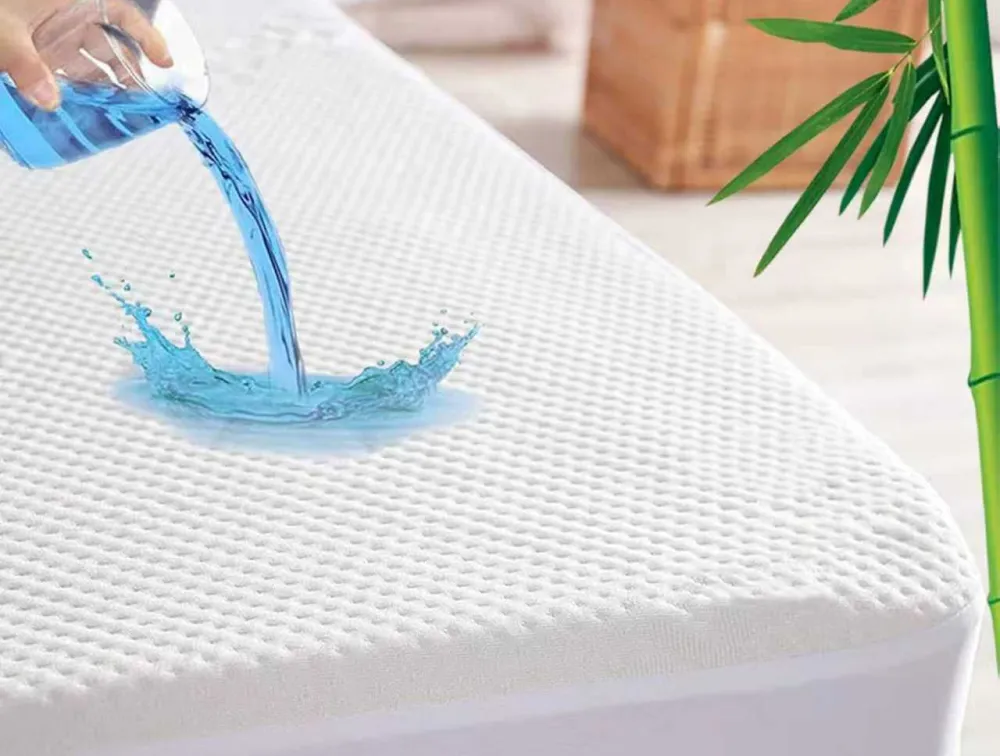
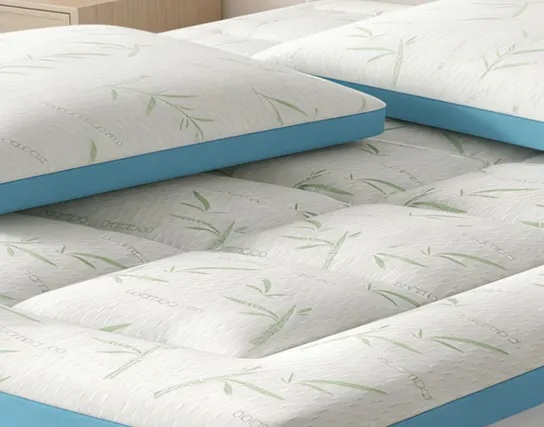
Tencel/Bamboo: These eco-friendly materials are prized for their moisture-wicking properties. They are naturally cooling and soft, making them excellent for hot sleepers.
Polyester: Highly durable and often more affordable, polyester is frequently blended with other fibers to create a resilient, long-lasting barrier.
Cooling & Temperature Regulation Fabrics: Some modern protectors use Phase Change Materials (PCM), cooling nylon, cooling PE (polyethylene), 37.5 Technology, HeiQ Adaptive finishing or specialized circular jacquard knitted designed to dissipate heat actively, ensuring a more consistent sleeping temperature.
For those looking for a diverse range of materials tailored to different needs, the Sunyolk mattress protectors collection offers a variety of options, ranging from soft-touch quilted surfaces to high-performance breathable barriers.
Not everyone needs the same level of protection. Choosing a type based on your lifestyle is crucial.
The primary goal here is to prevent liquids from reaching the mattress. Most modern waterproof protectors use a thin layer of Thermoplastic Polyurethane (TPU). Unlike the old-fashioned PVC plastic sheets, TPU is microscopic and porous, meaning it blocks liquid molecules but allows air to pass through, significantly improving breathability.
If you suffer from asthma or allergies, you need a protector with a pore size small enough to block dust mites and pet dander. These are usually zippered encasements that create a total barrier, keeping the internal environment of the mattress sterile.
These protectors add a thin layer of padding to the bed. While not as thick as a mattress pad, they provide a slightly plush feel while still offering the protective benefits of a standard cover. These are ideal for older mattresses that need a hygiene refresh and a comfort boost simultaneously.
When navigating the many different types of mattress protectors, these three deal-breakers should be focused on:
Noise: Some waterproof layers can make a scrunching sound when you move. High-quality protectors, such as those found at Sunyolk, use advanced laminating technology to ensure the protector is silent.
Breathability: If a protector doesn't breathe, you will sweat. Look for materials like cotton or Tencel, or breathable membranes that promote airflow.
Ease of Care: Since protectors are meant to catch dirt and sweat, they must be machine washable. Check the care label to ensure it can withstand regular laundering at high temperatures, especially important for allergen control.
A mattress protector is an essential secondary skin for your bed. Whether you need a heavy-duty zippered encasement to ward off allergens or a breathable fitted-sheet style protector to safeguard against spills, there is a perfect match for every sleeper.
By understanding the technical differences between materials and fitting styles and by sourcing from reputable bulk mattress protectors providers like Sunyolk, you can ensure your mattress remains a clean, healthy, and comfortable sanctuary for years to come. Don't wait for a spill or an allergy flare-up to realize the value of protection; choose the right type today and sleep with peace of mind.